Texas Owner's Checklist for Choosing a Funder

In short: When evaluating funding offers in Texas, focus on the total cost of capital, repayment structure, and transparency. Use this checklist to compare offers, avoid common traps, and find a partner that fits your business needs. Capital Match Now can match you with vetted funders for free.
Key takeaways
- Understand factor rates and total repayment amount before signing any agreement.
- Verify the funder's reputation and local physical presence, and ask what licenses or registrations it holds.
- Check for hidden fees such as origination, underwriting, or prepayment penalties.
- Ensure the repayment schedule aligns with your business cash flow, especially for seasonal businesses.
Why Texas Business Owners Need a Funding Checklist
Running a small business in Texas means dealing with unique opportunities and challenges. From the oil fields of Midland to the tech corridors of Austin, funding needs vary widely. But one thing is constant: the need for capital that works for you, not against you. Without a clear checklist, it's easy to get caught up in promises of fast cash and end up with terms that eat into your profits. This guide is designed to give you a practical, step-by-step approach to choosing a funding partner in Texas.

🔗 Related reading: SBA Loans vs Cash Advances for NY Businesses · Apply for MCA Funding
Understanding the Types of Alternative Funding
Merchant Cash Advances (MCAs)
An MCA is not a loan; it's an advance against future sales. You receive a lump sum, and the funder collects a percentage of your daily credit card or bank deposits until the advance is repaid. This can be a good option for businesses with consistent daily transactions, but the cost is often higher than traditional loans. For example, if you receive $10,000 with a factor rate of 1.3, you'll repay $13,000 total. The speed of repayment depends on your sales volume.
Business Lines of Credit
A line of credit gives you access to funds up to a limit, and you only pay interest on what you draw. This is flexible and useful for managing cash flow gaps or unexpected expenses. In Texas, many small businesses use lines of credit to cover payroll during slow months. Interest rates vary, but they are typically lower than MCAs. Always check for annual fees or draw fees.
Invoice Factoring and Financing
If you have outstanding invoices, you can sell them to a funder for immediate cash. Invoice factoring means the funder collects from your customers; invoice financing means you still collect and repay. This is common in Texas industries like construction, staffing, and logistics. The cost is a percentage of the invoice value, often 1% to 5% per month. Compare the advance rate (usually 80% to 95%) and the discount rate.
Equipment Financing
Need a new truck for your Houston fleet or a commercial oven for your San Antonio bakery? Equipment financing lets you purchase or lease equipment with the equipment itself as collateral. Terms are usually 2 to 5 years, and rates can be competitive. Make sure the total cost includes any origination or documentation fees. Some lenders offer a fixed rate, while others use a factor rate.
Key Costs to Compare: Factor Rates, Fees, and APR
One of the biggest mistakes Texas business owners make is focusing only on the dollar amount they receive. Instead, compare the total cost of capital. With alternative funding, the cost is often expressed as a factor rate (e.g., 1.2 to 1.5) rather than an APR. To illustrate: a $20,000 MCA with a 1.3 factor rate means you repay $26,000. That's a $6,000 cost. If repaid in 6 months, the implied APR is high-but note that APRs are not always disclosed because MCAs are not loans. Ask for a clear breakdown of all fees: origination, underwriting, processing, and any prepayment penalties. Never sign until you understand the total repayment amount.

🔗 Related reading: Line of Credit vs Cash Advance: MA Business Guide · Find Merchant Funding
Red Flags and What to Avoid
High-Pressure Sales Tactics
If a funder insists you must sign today to lock in a rate, walk away. Reputable partners give you time to review the agreement. Also be wary of upfront fees-most legitimate funders deduct costs from the funded amount, not before.
Vague Repayment Terms
Some funders structure repayments as a fixed daily or weekly ACH withdrawal. Know the exact amount and frequency. If your business is seasonal (e.g., a landscaping company in Dallas), ensure the repayment schedule can be adjusted during slow periods. Avoid any funder that refuses to clarify the repayment structure.
No Physical Presence or Licensing
Rules for lending and sales-based financing differ by state and have been changing, so confirm what applies to a Texas business with the Texas Attorney General's office or a business attorney. Check if the funder is registered to do business in Texas. A legitimate company will have a physical address, not just a P.O. box. Look up the funder in the state's business entity search and with the Better Business Bureau. Avoid funders that only operate online with no local presence.
How to Vet a Funding Partner in Texas
Check Licensing and Registration
Licensing and registration rules for commercial financing differ by state and by product, and for MCAs they can be less clear. Ask the funder what licenses or registrations it holds, get the numbers, and verify them with the state's financial regulator. Also check the Consumer Financial Protection Bureau (CFPB) for any complaints.
Read Reviews and Testimonials
Search for the funder name plus "Texas" or "review". Look for patterns: are there complaints about hidden fees, aggressive collection, or changing terms mid-agreement? A few negative reviews are normal, but a consistent pattern is a red flag. Also ask the funder for references from other Texas businesses in your industry.
Understand the Underwriting Process
Reputable funders will ask for bank statements, tax returns, and business history. They should explain what they look for: monthly revenue, time in business, industry risk, and personal credit. If a funder promises approval without any documentation, it's likely a scam. In Texas, most funders require at least 6 months in business and $10,000 in monthly revenue, but these are not hard rules-each funder sets its own criteria.
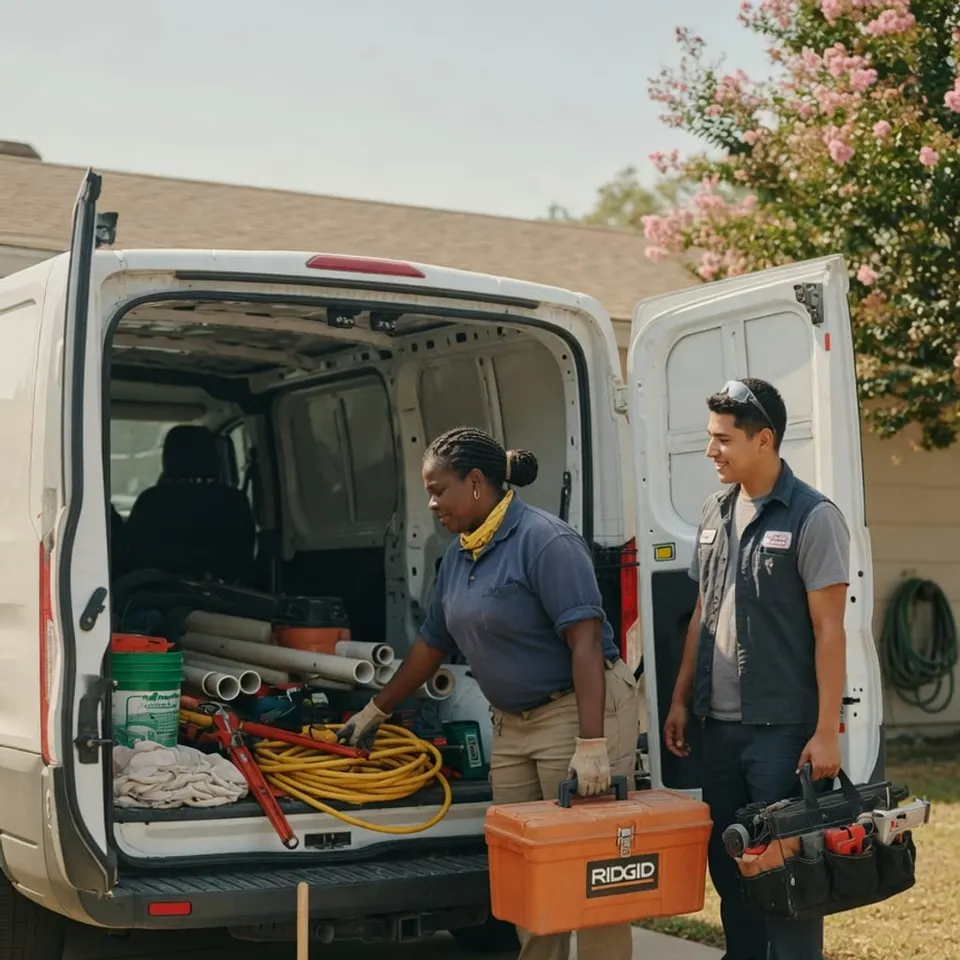
Preparing Your Application Documents
To get the best terms, have these ready: 4-6 months of business bank statements, two years of tax returns, a valid business license, proof of ownership, and a detailed use of funds statement. Some funders also ask for a personal guarantee and a credit check. The more organized you are, the faster the process. Be honest about your revenue and expenses-misrepresentation can lead to funding being rescinded or legal issues.
The Matching Advantage: How Capital Match Now Simplifies the Search
Instead of contacting dozens of funders individually, you can use a free matching service like Capital Match Now. You complete one simple application, and we connect you with vetted funding partners who fit your business profile. This saves time and reduces the risk of dealing with disreputable companies. We are not a lender and do not make credit decisions; we simply match you with third-party partners who have been pre-screened. You still need to apply the checklist above to each offer you receive.
Final Checklist: 5 Steps Before You Sign
- Step 1: Confirm the total repayment amount, including all fees and factor rate.
- Step 2: Verify the repayment structure (daily, weekly, monthly) and ensure it matches your cash flow.
- Step 3: Check for any personal guarantee or collateral requirements.
- Step 4: Research the funder's reputation in Texas: reviews, physical address, and any licenses or registrations it holds.
- Step 5: Compare at least two offers and ask questions about any unclear terms.
Taking these steps will help you avoid costly mistakes and secure funding that supports your business growth. Remember, the goal is not just to get funded-it's to get funded on terms that let you keep your business healthy and profitable.